
Rubber products are surely familiar to all of us. For instance, the sole of our shoes, the sealing strips for car doors and windows, and so on. But do you know what kind of rubber materials are used to make these rubber products? Today, Yong Yong Silicone Rubber will guide us to get to know them together!
Firstly, rubber materials can be classified into two major categories based on their source. One type is natural rubber (NR), and the other is synthetic rubber.
Natural rubber NR (Natural Rubber) is made from latex collected from rubber trees and is a polymer of isoprene. It has excellent wear resistance, high elasticity, tensile strength and elongation. It easily ages in the air, shrinks when heated, and expands and deforms in mineral oil or gasoline. It is resistant to alkali but not to strong acid. Advantages: Good elasticity, resistant to acids and alkalis. Disadvantages: Not resistant to weathering, not resistant to oil (can be resistant to vegetable oil). It is used as raw material for making tapes, rubber hoses, and rubber shoes, and is suitable for making shock-absorbing parts and products used in liquids containing hydroxyl groups such as automotive brake fluid and enzymes.
There are many types of synthetic rubber. 1. NBR nitrile rubber is suitable for use in petroleum-based hydraulic oil, glycol-based hydraulic oil, diester-based lubricating oil, gasoline, water, silicone lubricating grease, silicone oil, etc. It is currently the most widely used and the least costly rubber sealing component. It is not suitable for polar solvents such as ketones, ozone, nitrohydrocarbons, MEK and chloroform. The normal operating temperature range is -40 to 120 ℃.
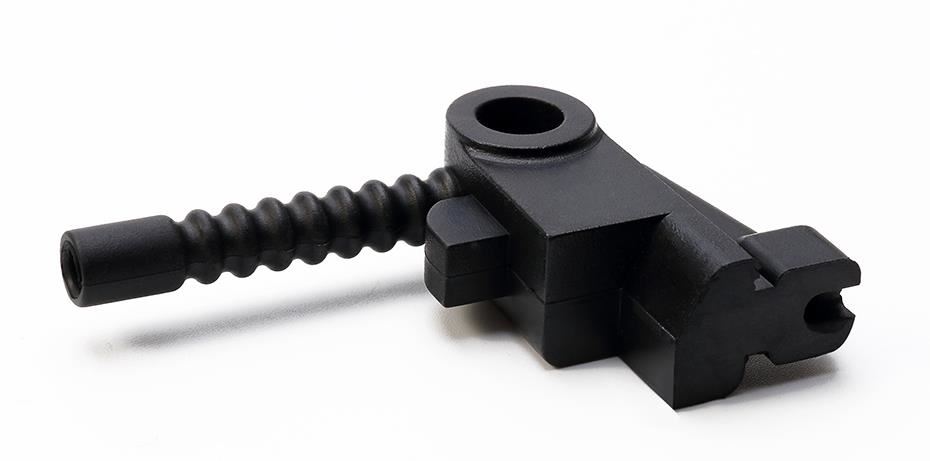
2. Styrene Butadiene Copolymer (SBR) is a copolymer of butadiene and styrene. Compared to natural rubber, it has uniform quality, fewer impurities, better tread resistance and aging resistance, but lower mechanical strength. It can be mixed with natural rubber. Advantages: A low-cost non-oil-resistant material with good water resistance, good elasticity below hardness 70, and poor compressibility at high hardness; Disadvantages: Not recommended for use with strong acids, ozone, oil burns, oil enzymes, fats, and most hydrocarbons. Widely used in the tire industry, footwear industry, textile industry, and conveyor belt industry, etc.
3. Butyl Rubber (IIR) is formed by the polymerization of isobutylene and a small amount of isoprene. Due to the steric hindrance of the methyl group, the molecular movement of this polymer is less than that of other polymers, resulting in less gas permeability. It has excellent resistance to heat, sunlight, and ozone, and excellent electrical insulation properties. It also has strong resistance to polar solvents and is generally suitable for a temperature range of -54 to 110 degrees Celsius. Advantages: It is impermeable to most common gases and has good resistance to sunlight and air. It can be exposed to animals, plants, or volatile chemicals. Disadvantages: It is not recommended to be used simultaneously with petroleum solvents, coal oil, and aromatic hydrocarbons for inner tires of automobiles, handbags, rubber plaster papers, window frame rubber, steam hoses, heat-resistant conveyor belts, etc.
4. Hydrogenated Nitrile Rubber (HNBR) Hydrogenated nitrile rubber is obtained by hydrogenating nitrile rubber to remove some double bonds. After hydrogenation, its temperature resistance and weather resistance are significantly improved compared to ordinary nitrile rubber, while its oil resistance is similar to that of ordinary nitrile rubber. The normal operating temperature range is -25 - 150 °C. Advantages: It has better abrasion resistance than nitrile rubber, possesses excellent corrosion resistance, tensile resistance, tear resistance and compressive resistance. It has good resistance to ozone and other atmospheric conditions. It is generally suitable for cleaning agents used in washing clothes or dishes. Disadvantages: It is not recommended for use in alcohols, enzymes or aromatic solutions. It is widely used in the air conditioning refrigeration industry, in the sealing components of the R134a system of environmental protection refrigerants, and in the sealing components of automotive engine systems.
5. EPDM (Ethylene Propylene Rubber) is a rubber material formed by the copolymerization of ethylene and propylene. It has excellent heat resistance, aging resistance, ozone resistance, and stability. However, it cannot be vulcanized with sulfur. To address this issue, a small amount of a third component with a double chain structure is introduced onto the EP main chain, which can be vulcanized and becomes EPDM. The general operating temperature range is -50 to 150 degrees Celsius. It has excellent resistance to polar solvents such as acetone and ethanol. Advantages: It has good weather resistance and ozone resistance, excellent water resistance and chemical resistance, can be used with alcohols and esters, is resistant to high-temperature steam, and has good gas impermeability. Disadvantages: It is not recommended for use in food applications or exposure to aromatic hydrocarbons. It is not suitable for sealing components in bathrooms, seals or parts for braking systems, rubber parts in radiators (automobile water tanks), or sealing components in heat sinks.
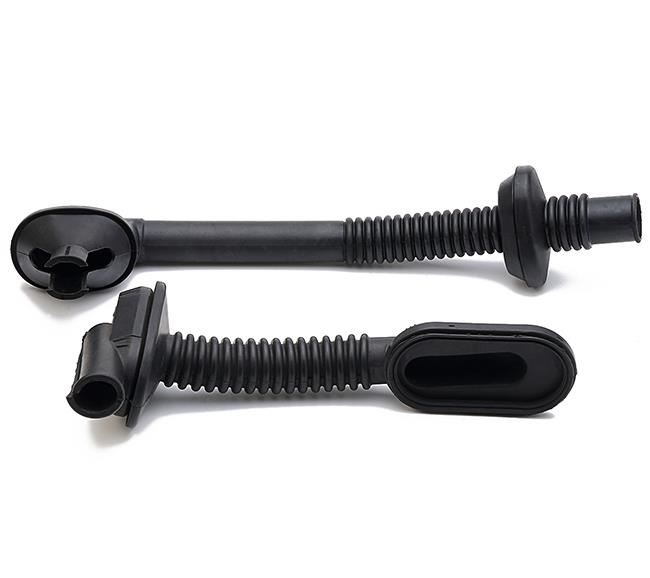
6. Chloroprene rubber CR (Neoprene, Polychloroprene) is formed by polymerizing chloroprene monomers. After vulcanization, the rubber has good elasticity and wear resistance, is not affected by direct sunlight, and has excellent resistance to {good} performance, is not afraid of intense twisting, is not afraid of refrigerants, is resistant to dilute acids, and resistant to silicone enzyme-based lubricants, but not resistant to phosphate enzyme-based hydraulic fluids. At low temperatures, it is prone to crystallization and hardening, has poor storage stability, and expands the most in mineral oils with a low benzene content. The general operating temperature range is -50 - 150 ℃. Advantages: Good elasticity and excellent compressive deformation. The formula does not contain sulfur, so it is very easy to manufacture. It has anti-animal and plant oil properties, and will not affect physical properties due to neutral chemicals, fats, oils, various oils, solvents. It has fire-resistant properties. Disadvantages: Not recommended for use with strong acids, nitro compounds, acetic acid, chloroform, and similar chemicals. It is suitable for sealing components used in various direct contact with the atmosphere, sunlight, and ozone. It is suitable for various rubber parts and seals used in rubber products that are resistant to fire and chemical corrosion.
7. Fluororubber (FPM) Fluororubber is a type of special rubber. Commonly used ones include fluororubber - 26 and fluororubber - 246. The former is a copolymer of vinylidene fluoride and hexafluoropropylene, while the latter is a copolymer of vinylidene fluoride, tetrafluoroethylene, and hexafluoropropylene. Fluororubber exhibits outstanding properties such as heat resistance, oil resistance, acid and alkali resistance, excellent aging performance, electrical insulation properties, and is non-flammable with low permeability. However, its performance at low temperatures is poor. The normal operating temperature range is -40 to 250 degrees Celsius, and it can reach up to 300 degrees Celsius for a short period. It is suitable for manufacturing various sealing parts, hoses, tapes, and oil tanks that require heat and oil resistance, but it is relatively expensive.
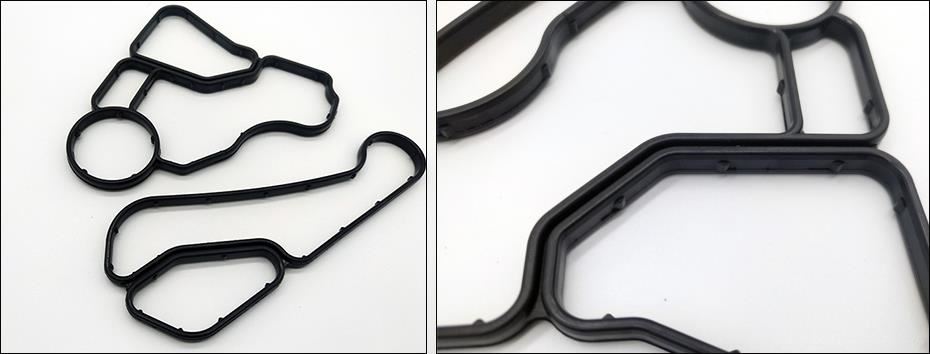
Yongyong Silicone Rubber has been dedicated to silicone rubber products for 23 years. It offers consulting services ranging from material research and mold development to the manufacturing of silicone rubber products. The consultation hotline is: 0769-85536776.


