The rubber diaphragm is a circular rubber sheet widely used in water pumps, air pumps, valves, and automotive brakes. It has the advantages of low cost, long service life, and resistance to aging. The quality of the product directly affects the performance of the equipment. So, do you know what factors affect the quality of the rubber diaphragm? Without further ado, let's get to the point.
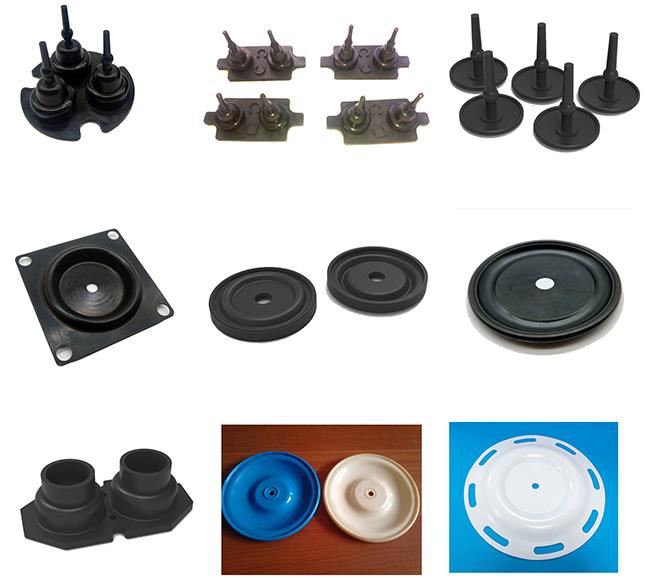
The first rubber raw material, the rubber diaphragm, depending on the application environment, the commonly used materials include EPDM, NBR, NR, FKM, etc. The physical properties of these materials determine the physical properties of the rubber products, such as tensile strength, elongation rate, and resistance to high and low temperatures.
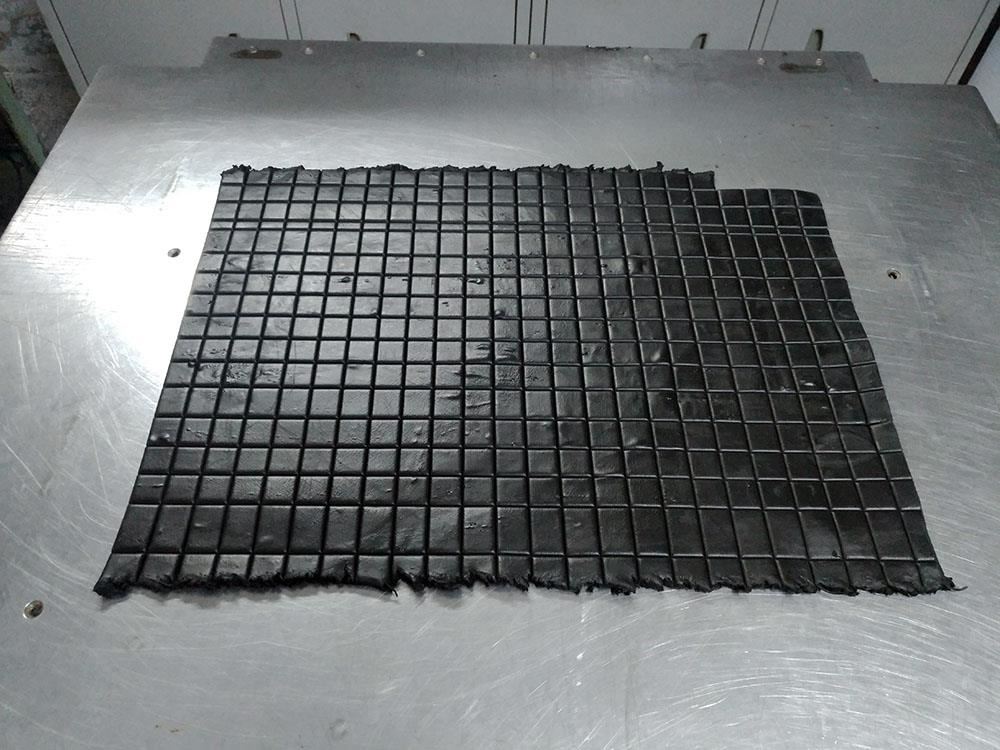
The second mold. As the saying goes, molds are the mother of industries. I fully agree with this view. The design and processing of molds are closely related to the shape and dimensional accuracy of the products. And the dimensional accuracy of the products will have a significant impact on the assembly accuracy and sealing performance.
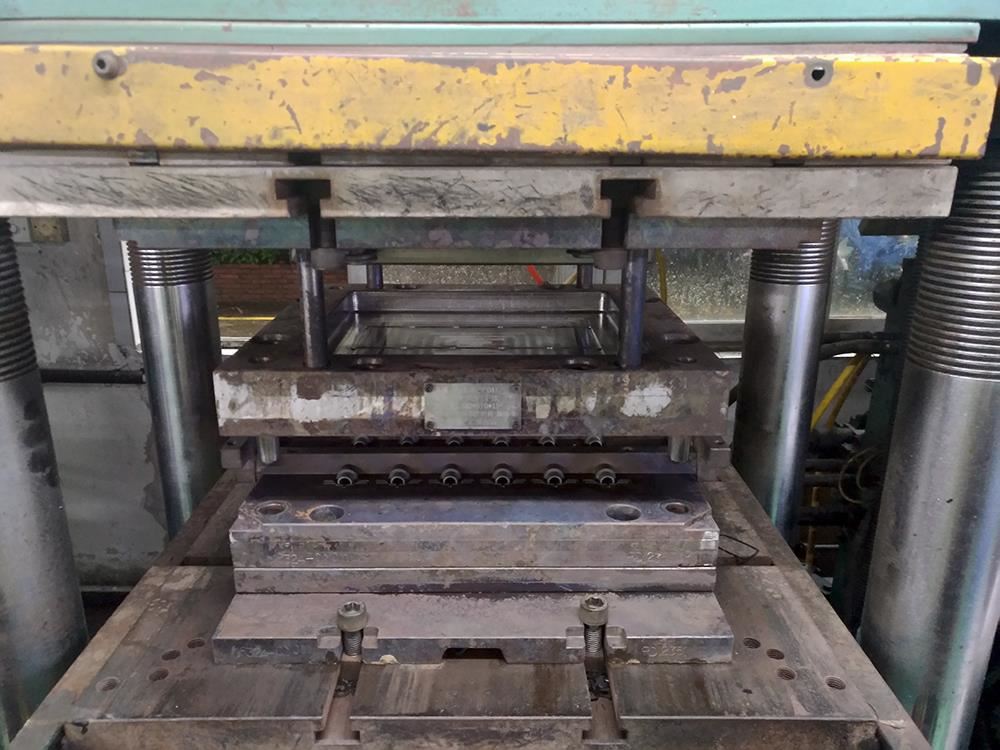
The third rubber diaphragm forming process: Once the materials and molds are available, the most crucial step is "forming". The three key elements of forming parameters - temperature, pressure, and time - if not set properly, will result in product appearance defects, such as material shortage, bubbles, burning, and poor vulcanization, etc.