
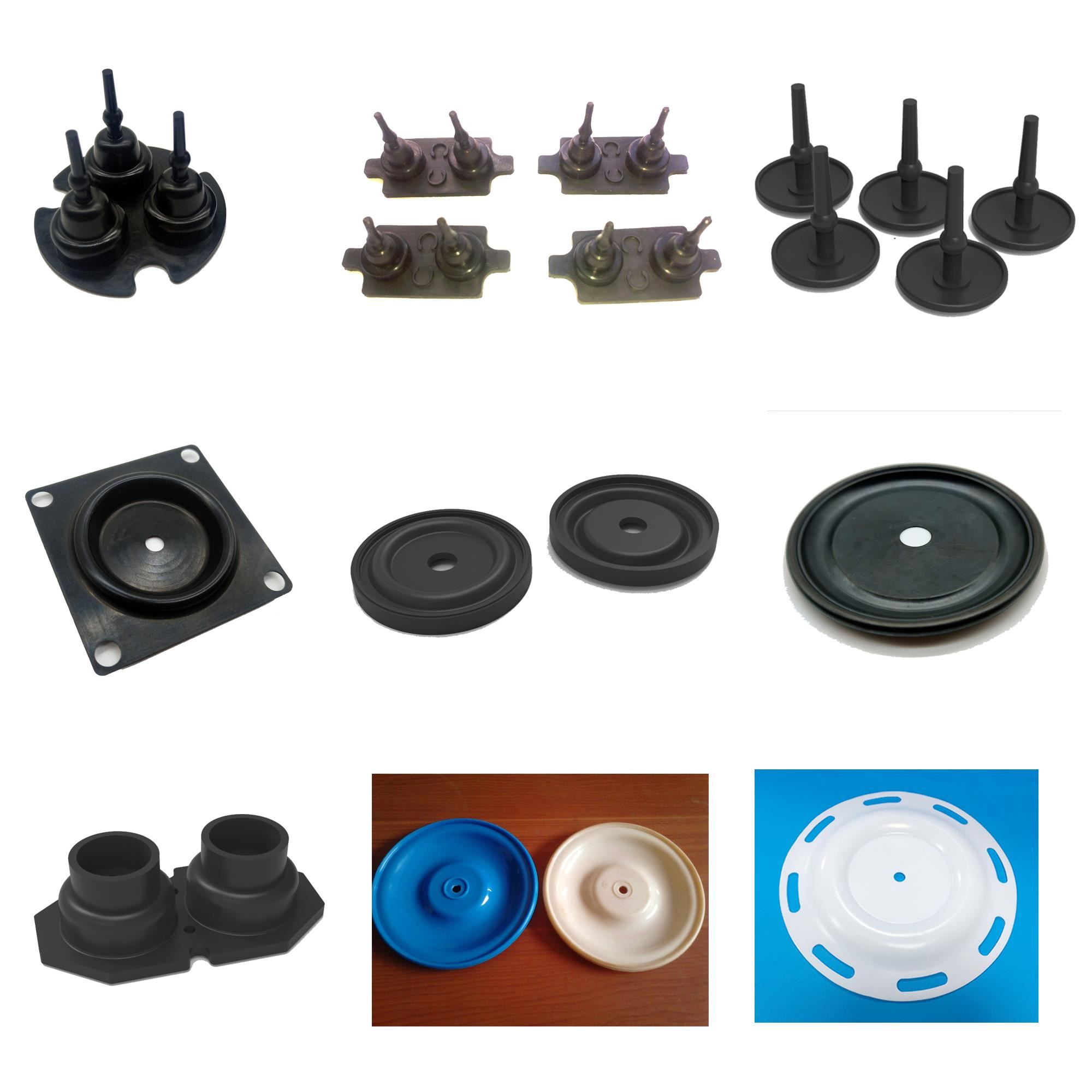
Rubber diaphragms are also known as rubber valve plates or rubber membrane plates. Many professionals are familiar with these terms. This rubber product has been widely used in various water pumps, air pumps, valves and other equipment. So, do you know how its working principle works? Today, Yongyong Silicone Rubber will give you an explanation about how one of these rubber membranes, which is applied in water pumps and air pumps, achieves efficient operation.
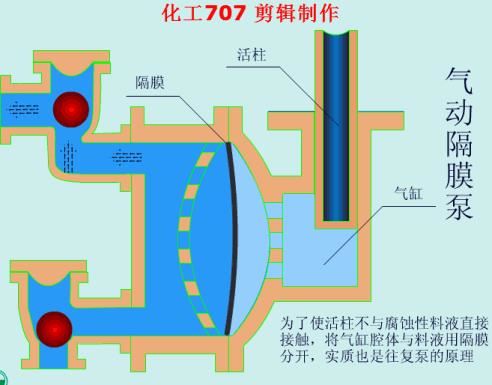
Diaphragm pump is a rather special form of volumetric pump. It works by using the back-and-forth movement of a rubber diaphragm to change the volume of the working chamber, thereby sucking in and discharging liquids. The pneumatic diaphragm pump mainly consists of two parts: the transmission part and the diaphragm cylinder head. The transmission part is the driving mechanism that drives the diaphragm to move back and forth. Its transmission forms include mechanical transmission, hydraulic transmission, and pneumatic transmission, among which hydraulic transmission is the most widely used. The working part of the diaphragm pump is mainly composed of the crank connecting rod mechanism, the piston, the liquid cylinder, the diaphragm, the pump body, the suction valve, and the discharge valve. Among them, the driving mechanism composed of the crank connecting rod and the piston is very similar to the reciprocating piston pump.
When the diaphragm pump is operating, the crank connecting rod mechanism is driven by the electric motor, which causes the piston to perform reciprocating motion. The movement of the piston is transmitted to the diaphragm through the working liquid (generally oil) in the cylinder, causing the diaphragm to pulsate back and forth.
The cylinder head part of the pneumatic diaphragm pump mainly separates the liquid to be transported from the working liquid by a diaphragm. When the diaphragm moves towards the transmission mechanism, the pump cylinder is in operation under negative pressure and sucks in the liquid. When the diaphragm moves to the other side, it discharges the liquid. The liquid to be transported is separated by the diaphragm from the working liquid within the pump cylinder. It only comes into contact with the pump cylinder, the suction valve, the discharge valve, and the inner side of the pump with the diaphragm, but not with the piston or the sealing device. This enables the important parts such as the piston to work completely in the oil medium and in a good working condition. As shown in the figure!
The rubber diaphragm needs to have good elasticity. Depending on the different media it comes into contact with during operation, it also requires good corrosion resistance. Commonly used materials include polytetrafluoroethylene, EPDM, NBR, NR, and other rubber materials.


