
Previously, we have introduced all aspects of the rubber industry, from O-rings, paper feeding wheels, to some basic knowledge about related technologies. Today, we will introduce another product: silicone rubber diaphragms. Although we don't often come across them, they can be found in many products, such as coffee machines, steam cleaning machines, etc. Next, the editor will introduce all the knowledge about this product to you.
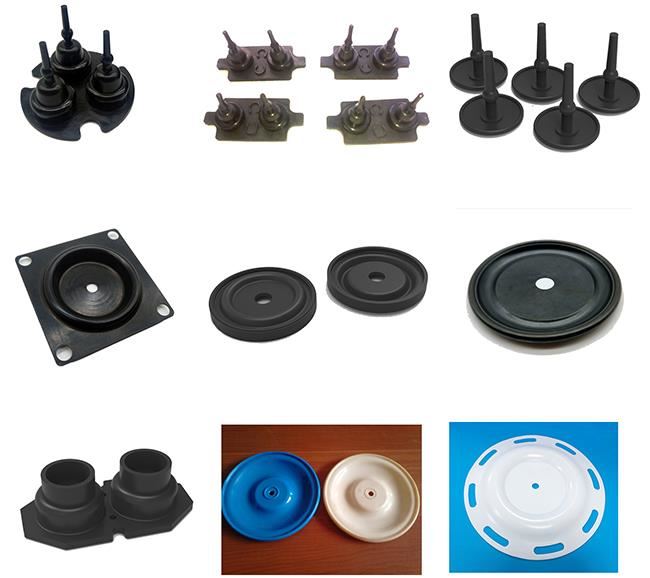
The functions of the diaphragm include: suction, isolation, pressure/flow regulation, driving, adjustment, shock absorption/buffing, measurement (instrumentation), etc.
It is applied in various fields such as pump valves, pneumatic components, pneumatic-hydraulic systems, gas equipment, electrical equipment, and the automotive industry.
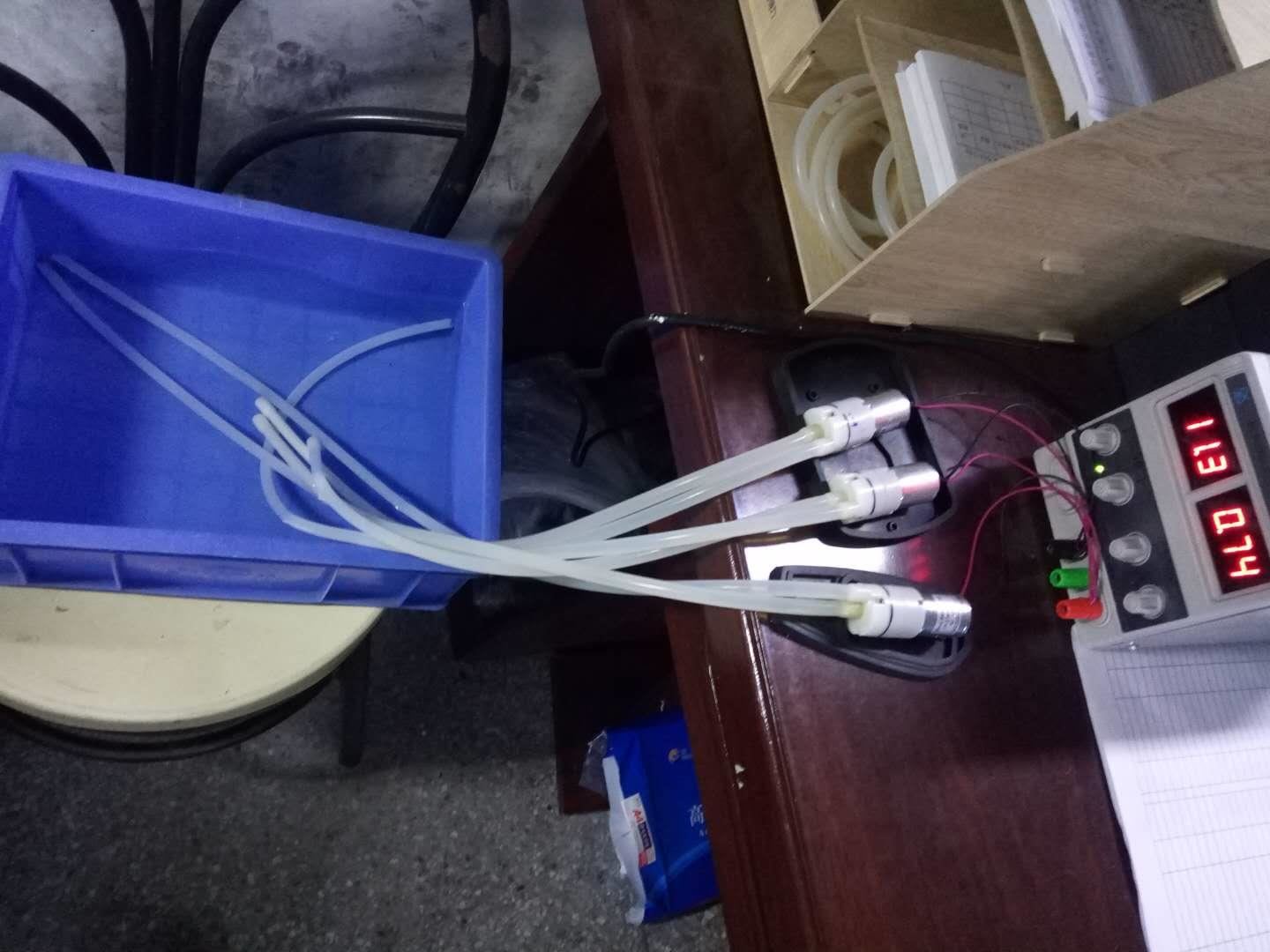
Common examples include pressure reducing / regulating / releasing valve diaphragms, control valve diaphragms, vacuum pump diaphragms, carburetor diaphragms, metering pump diaphragms... Silicone rubber diaphragms are used in water pumps, air pumps, solenoid valves, coffee machines, sprayers, steam cleaning machines, etc.
The common shapes include circular, square, and irregular shapes.
Silicone rubber diaphragms can be classified into three types: pure rubber type, fabric-laminated type (with either single or double-sided fabric lamination), and a mixed type combining rubber, hardware, and fabric.
The function of the gusset fabric is to enhance the performance of the diaphragm. For example, in high-pressure operations, it is often required that the diaphragm have a strong tear resistance. While in low-pressure operations, diaphragms without gusset fabric are often sufficient.
Common types of interwoven fabrics include: nylon, cotton canvas, stretch fabric, polyester fabric, etc.
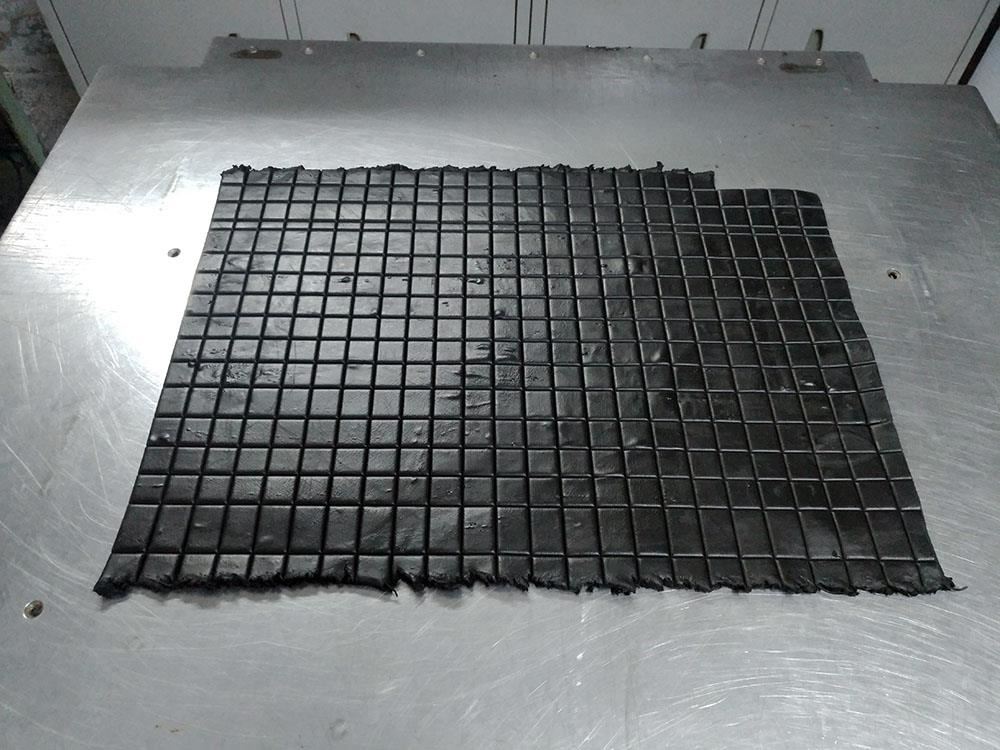
The most fundamental factor ensuring the quality of silicone rubber diaphragms is the material. Depending on the different usage environments, there are often specific requirements for the material.
Depending on the different media encountered during work, the materials required also vary. Common ones include ethylene propylene diene monomer (EPDM), silicone, fluorine rubber, and nitrile rubber, etc. The specific materials need to be customized according to the usage environment to meet the requirements of flexibility, anti-permeation, high-pressure resistance, corrosion resistance, tear resistance, good stability, long lifespan, oil resistance, acid and alkali resistance, resistance to high and low temperatures, ozone resistance, etc.
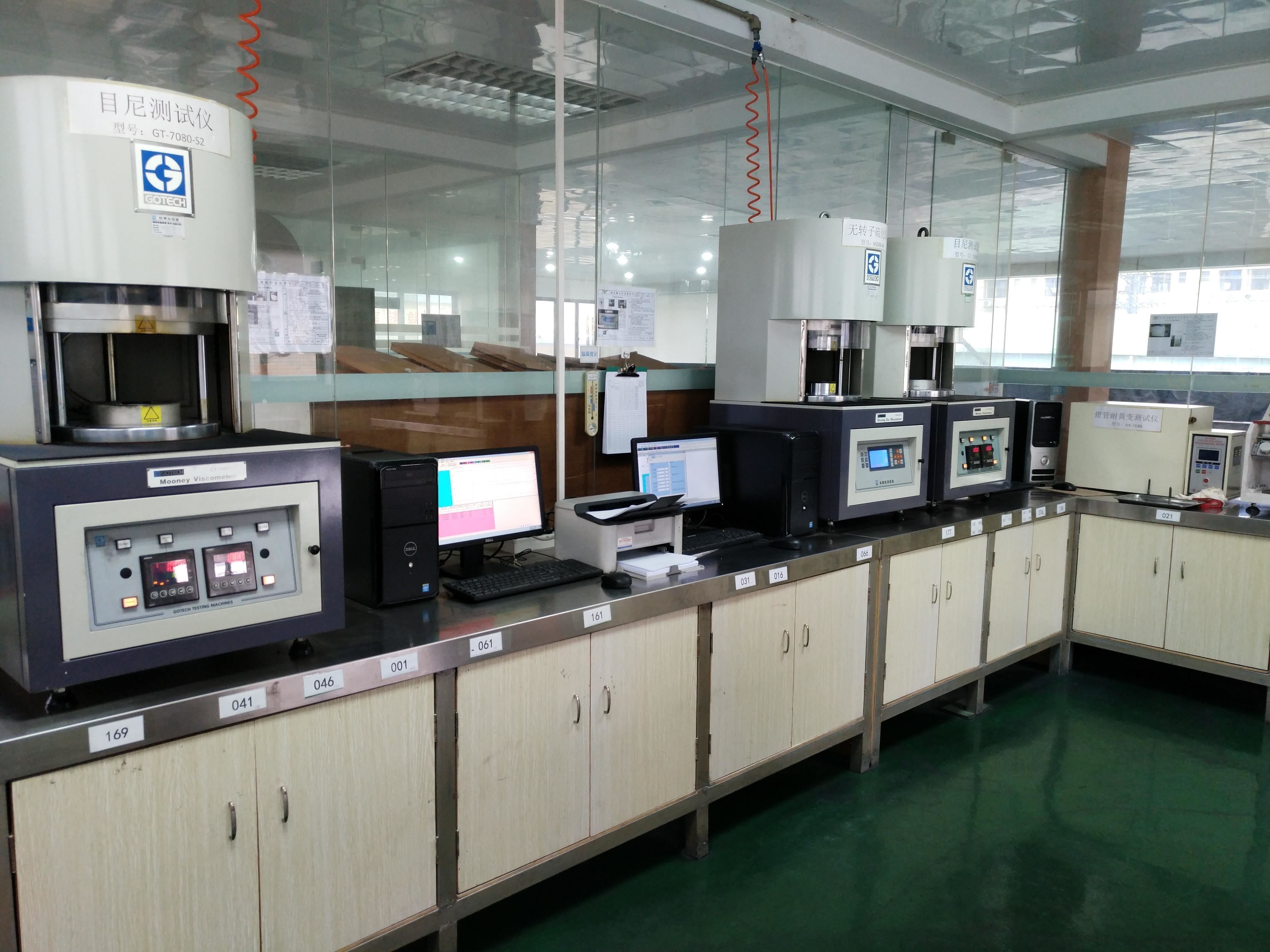
Finally, let's talk about the design. When designing a product, one must consider the working environment, the pressure during operation, the frequency of work, and its function. When designing molds, special attention should be paid to sharp edges and burrs, as these can cause the diaphragm to be damaged prematurely. Therefore, it is essential to ensure that the mold surface is smooth and not rough.
Alright, that's all the information about the silicone rubber diaphragm we can share for now. If you have any further questions or need business consultation, please feel free to contact us at any time.

Yongyong Silicone Rubber has been dedicated to silicone rubber diaphragms for 25 years, providing a complete solution from material research, mold development to silicone rubber product manufacturing. Welcome to visit our factory. Website: www.seidai88.com
Contact number: 0769-85536776 / Miss Luo
Fax: 0769-85536576
Mobile: Mr. Liu / 13828899458 Email: jacob@seidai.com.cn Address:
Chang'an: No. 1, Kangtai Street, Xixi Industrial Zone, Chang'an Town, Dongguan City, Guangdong Province
Shatian Branch: Zoutaiwan Industrial Zone, Fuluoshan Village, Shatian Town, Dongguan City, Guangdong Province


